
Walking into a coins pawn shop for the first time can feel confusing if you do not know how coins get valued. A licensed pawnbroker looks at metal content, condition, and collector demand before making an offer, and understanding that process ahead of time helps you walk out with a fair deal.
Key Takeaways
- A coins pawn shop values coins by metal weight, purity, and numismatic (collector) demand, not just face value.
- Jewelry and precious metals, including coins, make up close to half of all items pawned in the United States, according to industry data.
- Roughly 85% of pawn loans nationwide are repaid and the collateral is returned, according to the National Pawnbrokers Association.
- You can choose a cash loan against your coins or an outright sale, depending on your situation.
- Bring ID, any grading certificates, and avoid cleaning old coins before your appointment.
How Does a Coins Pawn Shop Value Your Coins?
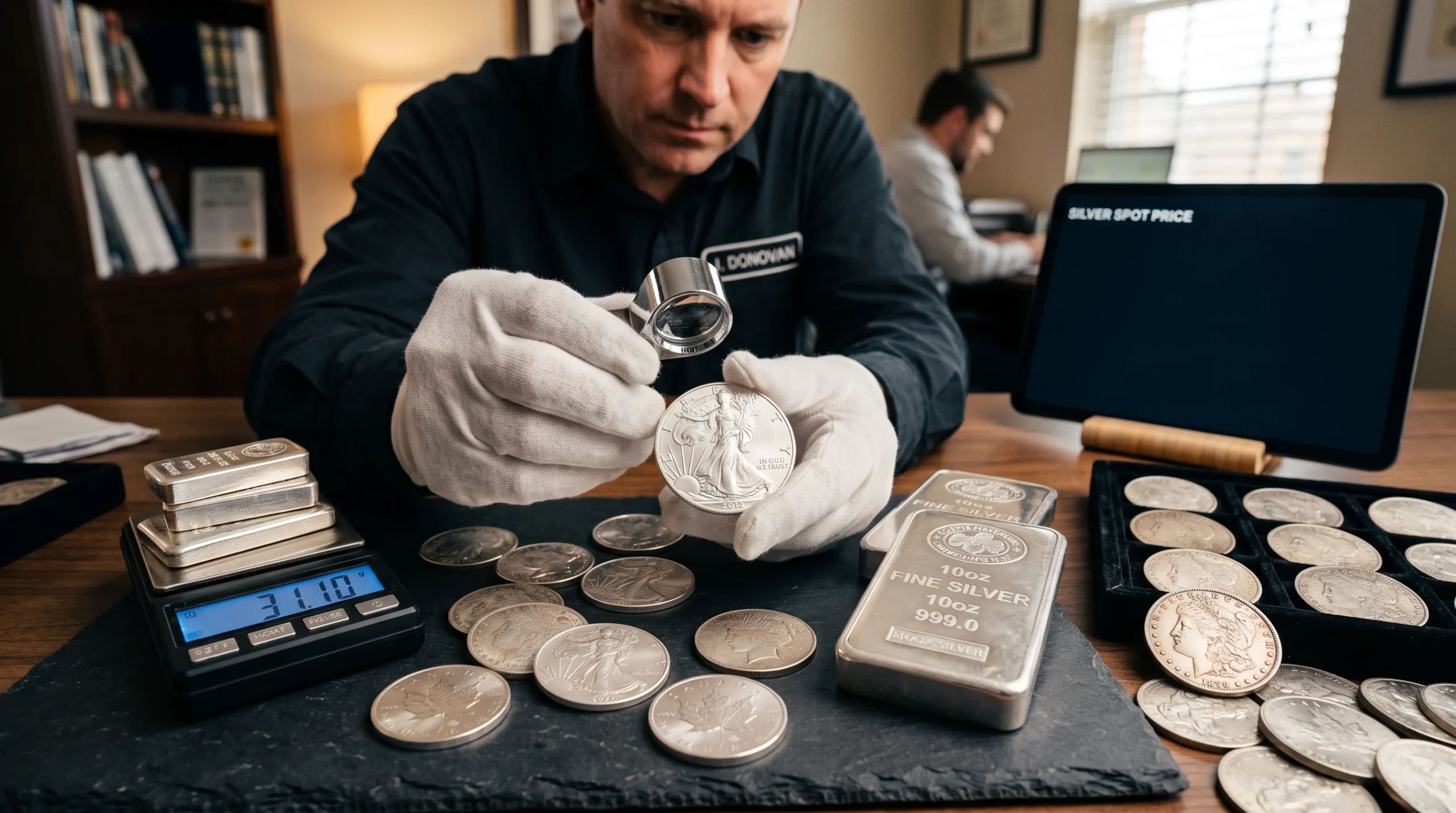
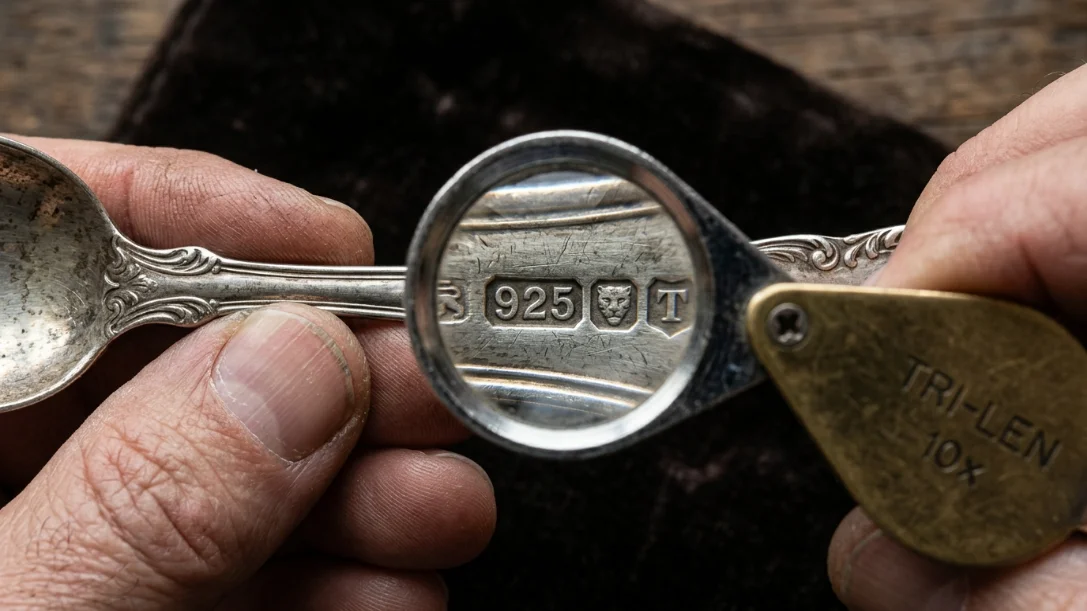
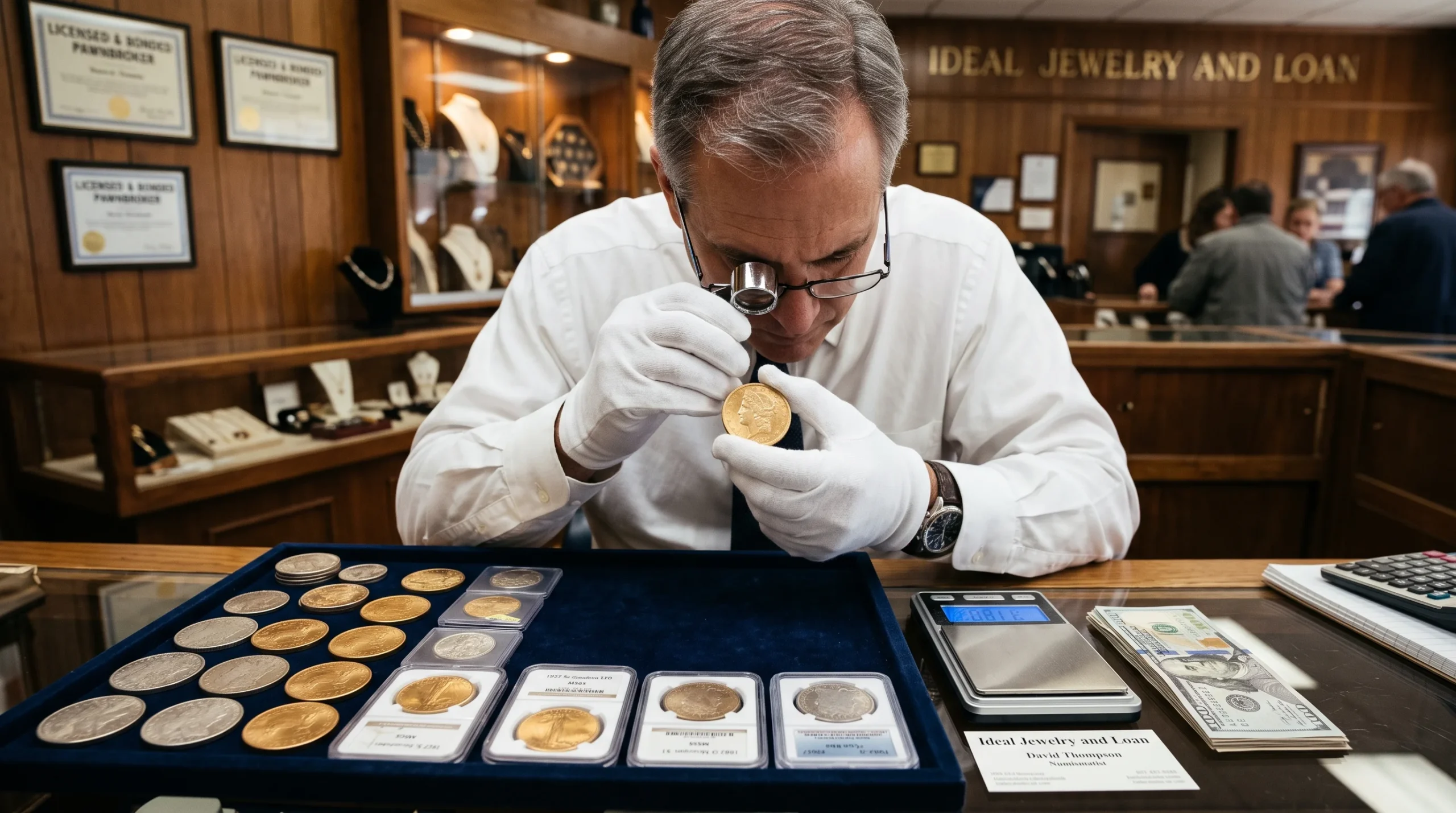
A pawnbroker weighs your coins, tests the metal purity, and checks current spot prices for gold or silver before making an offer. Circulated coins are usually valued by melt value, while older or limited-mintage coins can carry an additional collector premium above the metal price.
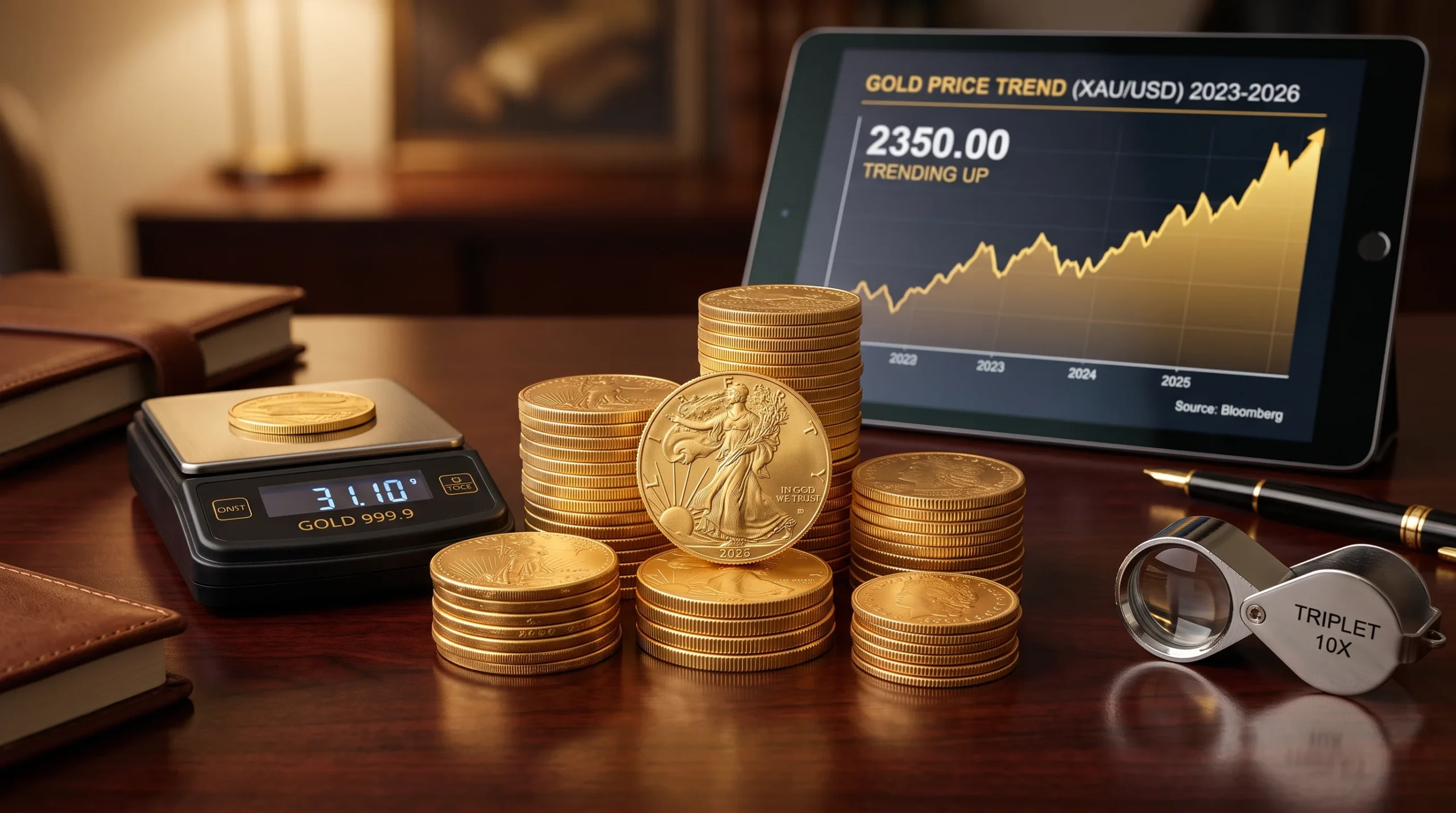
Gold spot prices moved to around $4,080 per ounce in early August 2026, up more than 21% year over year, according to Trading Economics. Silver has traded in the high $50s to low $60s per ounce over the same stretch, according to Trading Economics silver data. Because both metals are still trading well above historical norms, coins containing gold or silver content are worth checking now rather than assuming an old estimate still applies.
Condition matters almost as much as content. A scratched, cleaned, or heavily worn coin loses collector value even if the metal weight is identical to a well-preserved example. A shop that specializes in coins will typically separate bullion-grade coins, valued mainly for metal content, from numismatic coins, valued for rarity, mint mark, and grade.
The Three-Factor Valuation Model
Most experienced coin appraisers work through the same three-factor checklist, in this order:
- Metal content – weight and purity determine the melt-value floor, using the day’s spot price.
- Condition and grade – wear, scratches, and cleaning history either preserve or erode collector value above melt.
- Rarity and demand – mintage numbers, mint marks, and current collector interest set any premium above grade-adjusted value.
If a coin fails to clear step one (it contains no precious metal), the appraiser moves straight to rarity and demand, since some of the most valuable collector coins are made of copper or nickel rather than gold or silver.
What Is the Difference Between Pawning and Selling Coins?
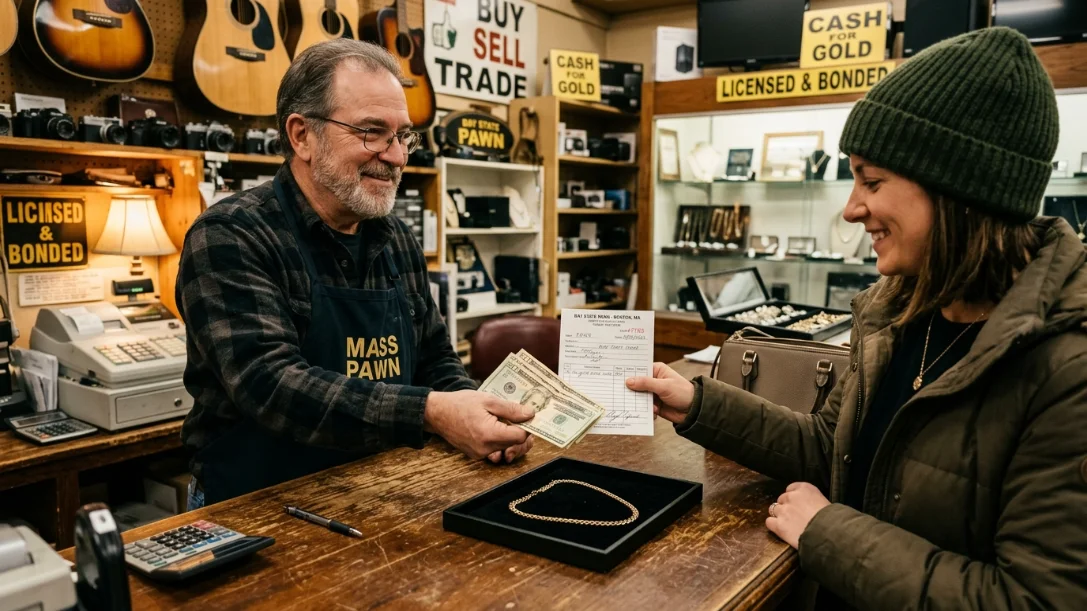
Pawning your coins means you receive a short-term cash loan using the coins as collateral, and you get them back once you repay the loan plus fees. Selling means you receive a one-time cash payment and give up ownership of the coins permanently.
The average pawn loan in the United States is around $150, and about 85% of borrowers repay their loan and reclaim their collateral, according to National Pawnbrokers Association data. That repayment rate matters if you are emotionally attached to a coin collection, such as an inherited set, because pawning preserves your option to get it back.
If you are certain you will not want the coins again, an outright sale usually nets a higher immediate payout than a loan, since a loan amount is intentionally set below full resale value to protect the pawnbroker. For a broader look at how pawn loans work across all item types, see our guide on cash for pawn.
| Option | You keep ownership rights | Typical payout vs. resale value | Best for |
|---|---|---|---|
| Pawn loan | Yes, until the term expires | Around 60% (loan secures against resale value) | Coins you may want back, inherited pieces |
| Outright sale | No | Higher, closer to full resale value | Coins you are ready to part with permanently |
What Should You Bring to a Coin Appraisal?
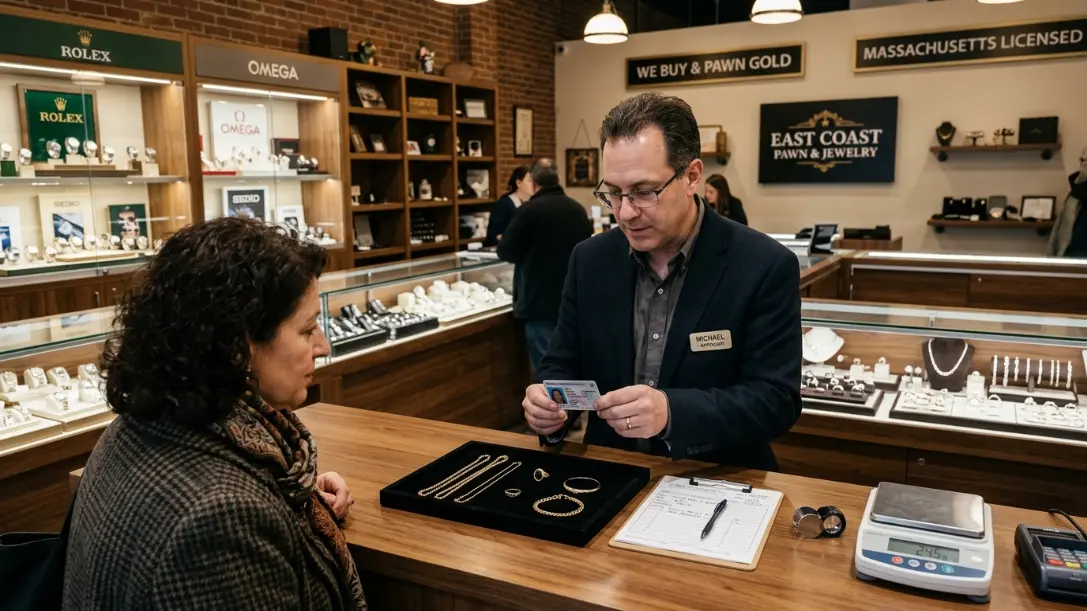
Bring the coins themselves, any certificates of authenticity or grading slabs from a third-party grading service, and identification, since pawn transactions are regulated and require ID by law in most states. If you have a collection passed down from a relative, any old purchase receipts or auction records can also help establish provenance.
Do not clean or polish old coins before bringing them in. Cleaning a collectible coin, even gently, can strip original surfaces and actually lower its numismatic value, sometimes significantly. If a coin looks tarnished, that is often normal aging and a knowledgeable appraiser will look past surface tone to assess the coin underneath.
A Simple Pre-Appointment Checklist
- Government-issued photo ID
- Any grading slabs or certificates
- Purchase receipts or estate paperwork, if available
- A list of questions about how the shop calculates offers
- Coins left untouched and unpolished
Are Pawn Transactions Regulated?
Yes. Every state requires licensed pawnbrokers to record identifying information, item descriptions, and loan terms for each transaction, and many states require a short holding period before resale. Massachusetts requires municipal licensing for pawnbrokers and detailed recordkeeping on every item accepted, which protects customers and helps trace stolen property.
This regulation is part of why a licensed coins pawn shop feels more formal than a casual buy-sell exchange. If a business is not asking for ID or will not provide a written pawn ticket, treat that as a sign to walk away.
Are Coins a Common Item at Pawn Shops?
Jewelry and precious metals, which include coins, account for close to 45% of the items pawned nationwide, making coins one of the most frequently pawned categories alongside gold and silver jewelry. That volume means most established pawnbrokers have real experience separating bullion coins from rare or collectible ones, rather than treating every coin the same.
Roughly 42% of American adults report having used a pawn service at least once, and 31% are repeat customers, according to recent market research. Coins are a natural fit for this kind of transaction because they are compact, easy to authenticate, and tied to a transparent daily metal price, which gives both sides a starting point for negotiation.
Inflationary pressure has also pushed more first-time customers toward pawn services generally. Over 44% of pawn businesses reported increased walk-in traffic tied to rising costs in recent industry surveys, which suggests coin appraisals are becoming a more common financial tool rather than a last resort.
Common Mistakes People Make When Pawning Coins
Assuming face value equals worth. A coin’s stamped denomination has little to do with its actual resale value once metal content or collector demand is factored in.
Cleaning coins before appraisal. This can actively reduce value rather than improve first impressions.
Not asking how the offer was calculated. A reputable appraiser should show you the coin’s weight, purity, and the day’s spot price used in their math.
Skipping the comparison. A second opinion, especially for a coin you suspect might be rare, costs nothing and can confirm you are getting a fair number.
What to Expect on Your First Visit to a Coins Pawn Shop
Walk-ins are standard, so an appointment usually is not required for a basic appraisal. Expect the process to take ten to thirty minutes, depending on how many coins you bring. A well-run coins pawn shop will explain each step as they go, rather than disappearing into a back room and returning only with a number.
Coin Pawn Services in the Brockton, MA Area
If you are located in Southeastern Massachusetts and are weighing whether to pawn or sell coins, Ideal Jewelry and Loan is a family-owned Brockton pawn shop that has appraised coins alongside gold, silver, and other jewelry since 1955. The shop is located at 242 Main St., Brockton, MA 02301, at the intersection of Belmont and Main Street, and serves Brockton along with nearby communities including Stoughton, Quincy, Easton, and West Bridgewater.
This is meant as background information rather than a sales pitch. Whichever shop you choose, ask how they determine value, whether they separate bullion coins from collectible ones, and whether you are getting a loan offer or a purchase offer, since those numbers are calculated differently.
Frequently Asked Questions
How much can I get for pawning coins?
The amount depends on metal weight, purity, and any collector premium. A coin containing one ounce of gold could support a loan offer in the thousands of dollars given gold trading near $4,080 an ounce in August 2026, while a common circulated coin with no collector value is priced closer to its melt weight.
Do pawn shops know the value of rare coins?
Established pawn shops that handle coins regularly typically have staff trained to identify mint marks, grading, and rarity factors, though for exceptionally rare or high-value coins, a specialist numismatic appraisal can provide a second opinion.
Is it better to pawn or sell my coin collection?
Pawning suits people who may want their coins back and can repay a loan within the shop’s term, since about 85% of pawn loans nationally are repaid and redeemed. Selling suits people who want maximum upfront cash and do not plan to reclaim the coins.
What identification do I need to pawn coins?
Most states require a valid government-issued photo ID for any pawn transaction, along with your signature on a pawn ticket that records the loan terms, item description, and repayment timeline.
Do I need to clean my coins before bringing them in?
No. Cleaning can damage the surface of a collectible coin and reduce its value. Bring coins as-is and let the appraiser assess the original surface.
How long does a coin appraisal take?
A straightforward appraisal of a small collection typically takes 10 to 20 minutes, since weighing and testing metal purity is quick. Larger or more complex collections with potential rarities may take longer if the appraiser wants to research specific dates or mint marks.