
Silver coins are worth their weight in silver at minimum, plus any collector premium for rarity or condition. Silver has been one of the most active metals of 2026, trading in the high $50s to low $60s per ounce as of early August according to Trading Economics, after touching a historic high earlier in the year, which has pushed many silver coin values sharply higher.
Key Takeaways
- Silver traded near $56 to $61 per ounce in early August 2026, according to Trading Economics and USAGold market data.
- Silver reached a nominal all-time high of $121.67 per ounce on January 29, 2026, according to APMEX.
- A silver coin’s value equals its silver weight and purity multiplied by the spot price, plus any numismatic premium.
- Roughly 40% of pawned collateral nationally is jewelry-based, and coins are among the most common pieces brought in for appraisal.
- China’s export controls on silver, tightening mine supply, and strong industrial demand all contributed to 2026’s price swings.
How Much Is a Silver Coin Worth Right Now?
A silver coin’s baseline value is its silver content, meaning weight times purity, multiplied by the current spot price of silver, which was trading around $56 to $61 per ounce in early August 2026. A common circulated silver coin from mid-20th-century U.S. currency, for example, contains a fraction of an ounce of silver, so its melt value scales down proportionally from the spot price.
Silver has moved unusually fast this year. It broke above $50 per ounce for the first time in history in late 2025, then reached a nominal all-time high of $121.67 per ounce on January 29, 2026, according to precious metals data from APMEX, before settling into a lower trading range through the summer. That volatility means a silver coin’s value can shift meaningfully from month to month, so always check a current spot price before assuming an old estimate still applies.
Quick Reference: Melt Value Formula
Melt value = Weight (troy oz) x Purity (%) x Spot price per oz
A coin containing 0.715 troy ounces of pure silver, at a spot price of $58 per ounce, has a melt value floor of roughly $41.50. Numismatic premiums for rare dates or high grades are added on top of that number.
Why Did Silver Prices Spike in 2026?
Silver’s rally has been driven by tightening physical supply, since most silver is mined as a byproduct of gold, copper, lead, and zinc production and cannot be ramped up quickly when prices rise. Export controls placed on the metal by China in late 2025 added further pressure on available supply, according to reporting from CNBC.
Industrial demand for silver, particularly in electronics and manufacturing, has combined with investor demand for a monetary hedge, creating what analysts describe as a genuine supply squeeze rather than pure speculation. That combination of industrial and investment demand is part of why silver’s 2026 rally has been sharper, in percentage terms, than gold’s.
Since the January peak, silver has given back a significant portion of its gains, trading in the high $50s to low $60s through the summer as some of the acute supply fears eased. The gold-to-silver ratio, a common way analysts compare the two metals, widened to nearly 71 in early August 2026, according to USAGold market data, suggesting silver underperformed gold on a relative basis over that stretch even after its historic January spike.
What Makes a Silver Coin More Valuable Than Its Melt Price?
Rarity, mint mark, condition, and low original mintage numbers all add a numismatic premium on top of a silver coin’s raw metal value. Coins graded by a third-party grading service in high condition grades typically command the largest premiums, since grading removes uncertainty about a coin’s true state of preservation.
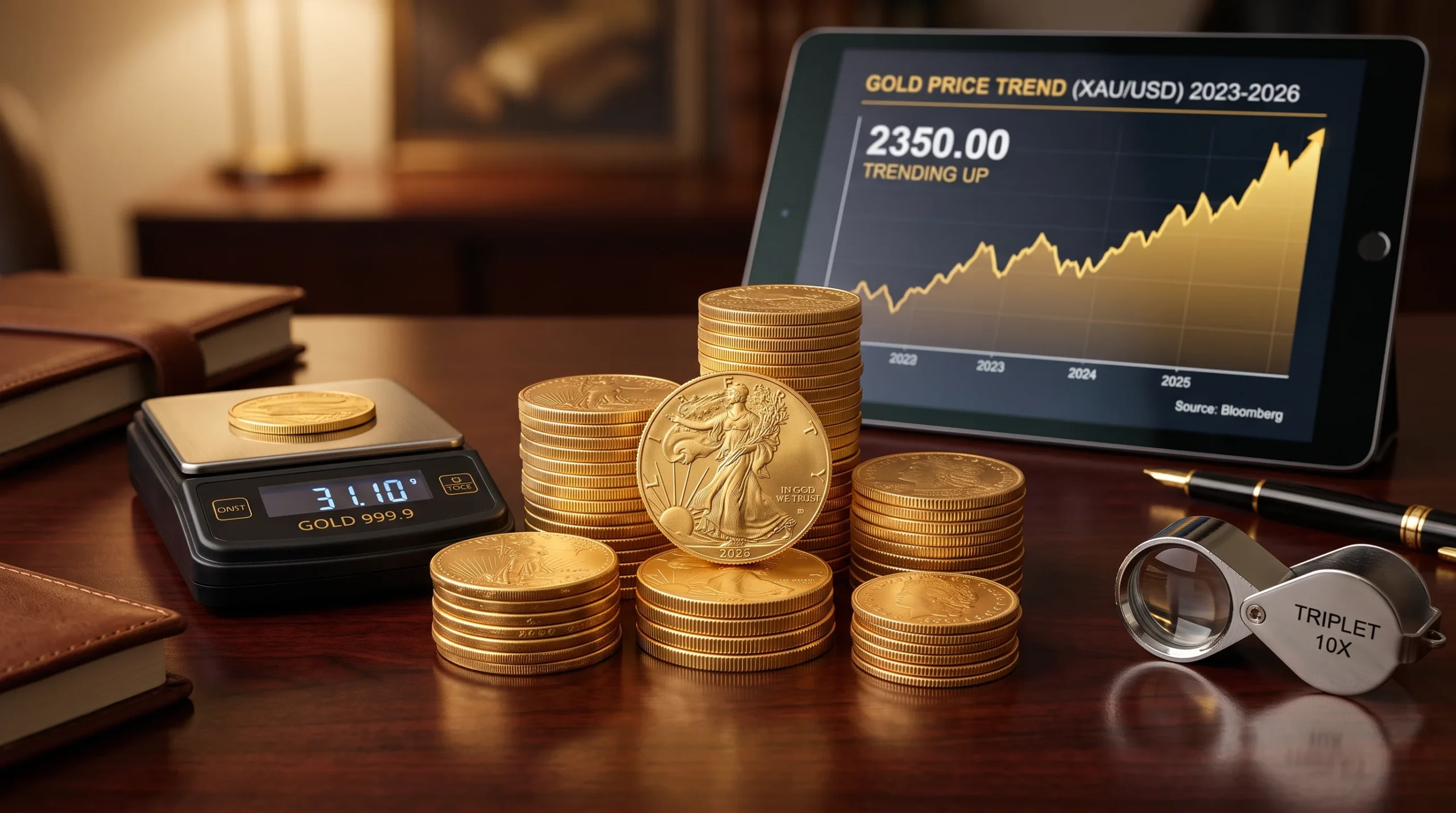
Some series, such as certain silver dollar designs, remain especially popular with collectors regardless of where silver prices sit, because demand comes from collecting interest as much as investment interest. A knowledgeable appraiser will check both angles: what the coin is worth melted down, and what it might be worth intact to a collector. The same logic applies to gold coins, which follow an identical melt-value-plus-premium structure.
Silver Coin Categories Appraisers Look For
- Circulated U.S. silver coinage (pre-1965 dimes, quarters, half dollars) – valued mainly on melt content
- Silver dollars (certain classic designs) – can carry meaningful collector premiums
- Bullion rounds and bars – valued almost entirely on weight and purity
- Graded, low-mintage, or error coins – can be worth many times melt value to the right collector
How Do You Sell or Pawn Silver Coins Safely?
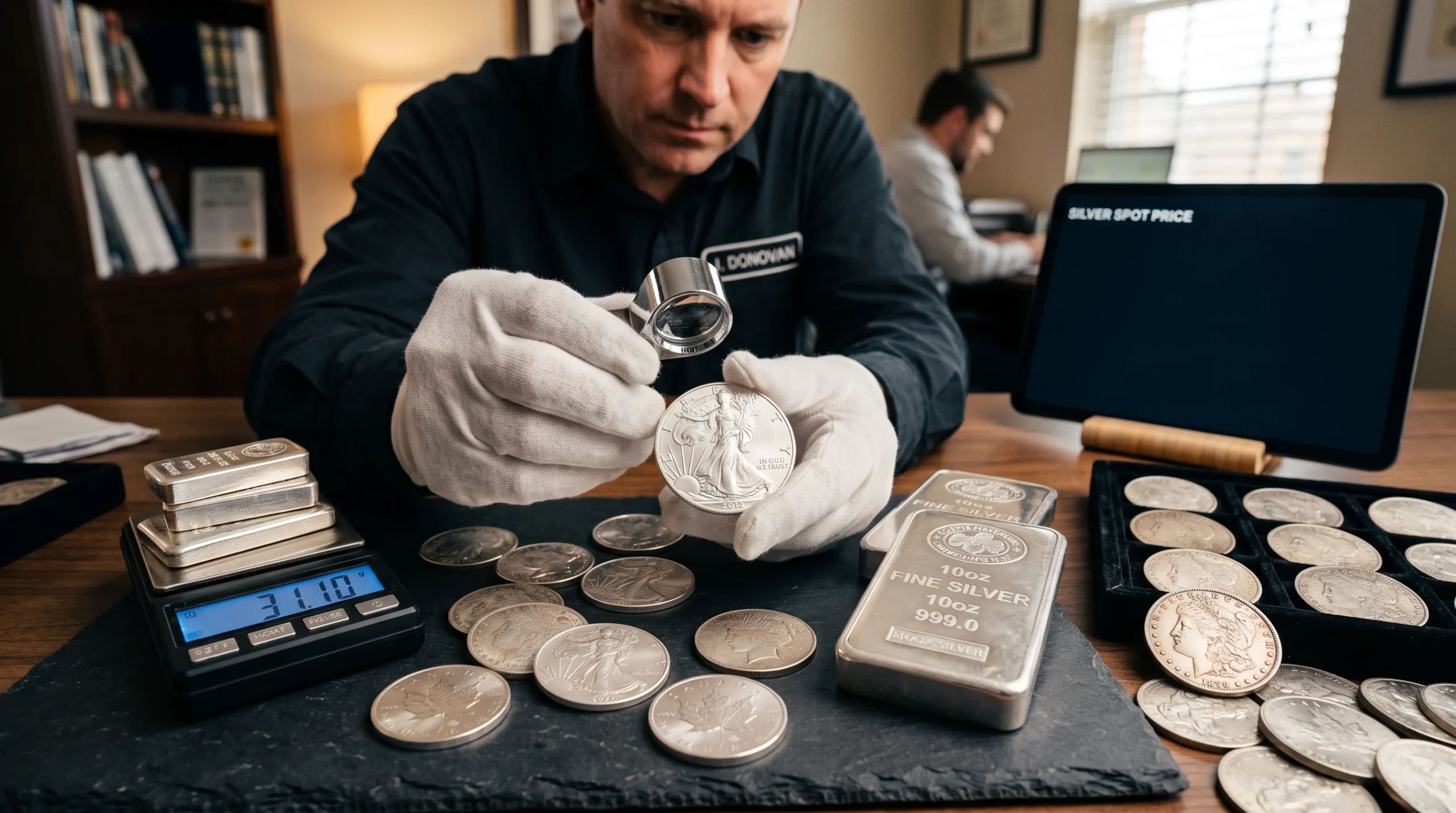
Get a purity test and a weight measurement in front of you, ask what spot price the appraiser is using that day, and confirm whether you are being offered a loan or an outright purchase, since those figures are calculated differently. Reputable appraisers will walk through the math with you rather than simply naming a number.
If you are unsure whether you want to part with a coin collection permanently, a pawn loan lets you access cash now while retaining the right to reclaim your coins later. Nationally, jewelry and metals make up roughly 40% of pawned collateral, which means most established pawnbrokers handle silver coins on a regular basis and have a workable process for testing and pricing them.
Are Silver Coin Transactions Regulated?
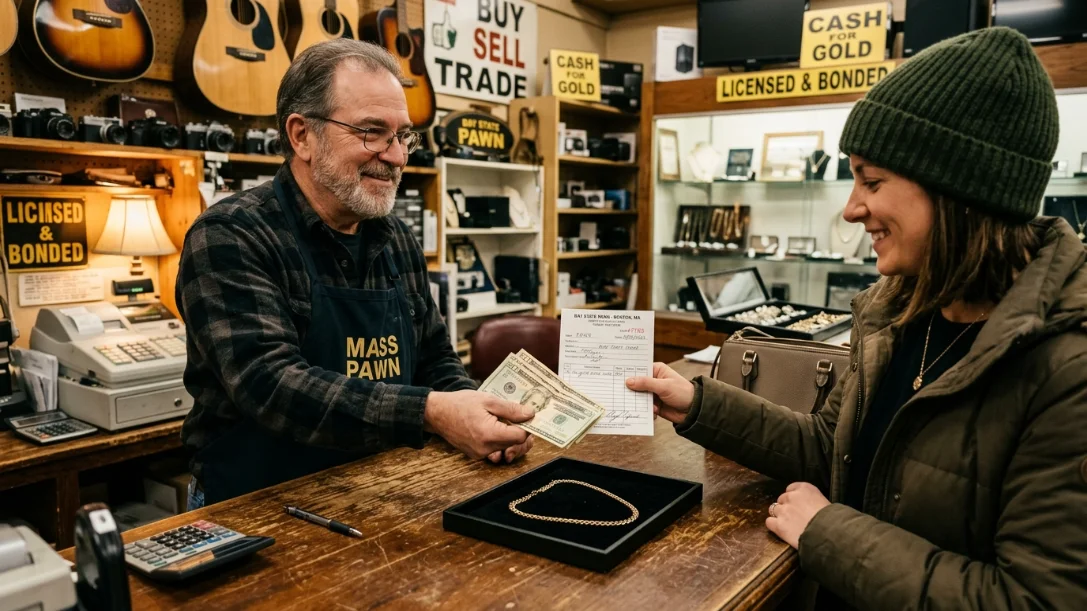
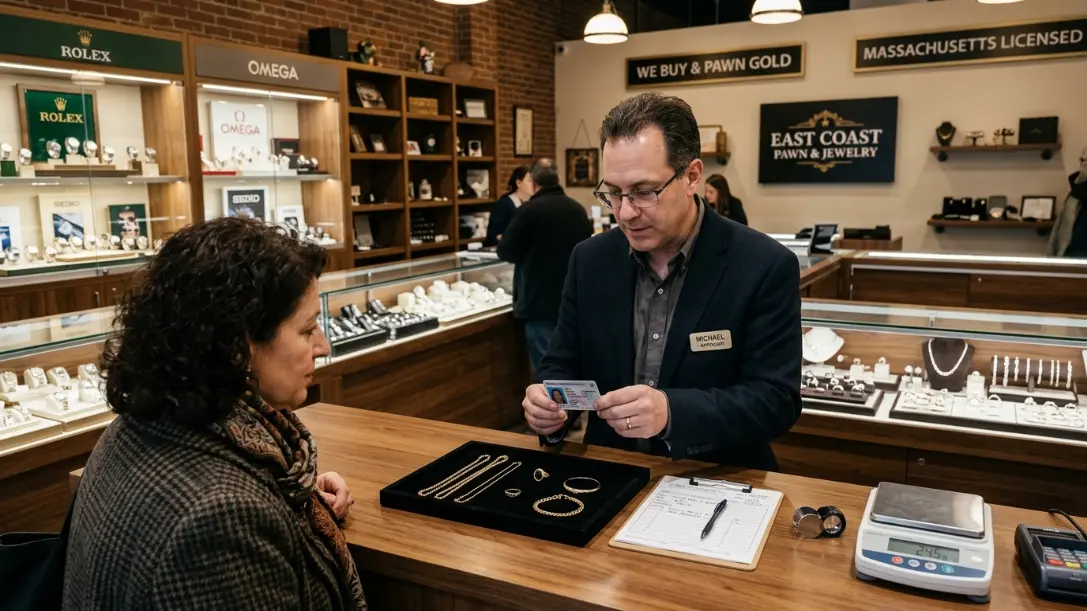
Yes. Licensed pawnbrokers and coin dealers must record identifying information and transaction details for silver coins, and many states impose a short holding period before resale. Massachusetts requires municipal licensing and detailed recordkeeping on every item accepted, protecting both parties in a silver coin transaction.
Ask for a written receipt documenting the silver coins you brought in and any redemption terms. A shop unwilling to provide that paperwork is not operating the way a licensed dealer should.
What to Expect When You Bring In Silver Coins
Most shops that buy silver coins do not require an appointment, and the process for a small collection typically takes 15 to 30 minutes. A transparent appraiser will show you the scale reading, purity test, and the day’s spot price before naming a number.
Silver Coin Appraisal in Brockton, Massachusetts
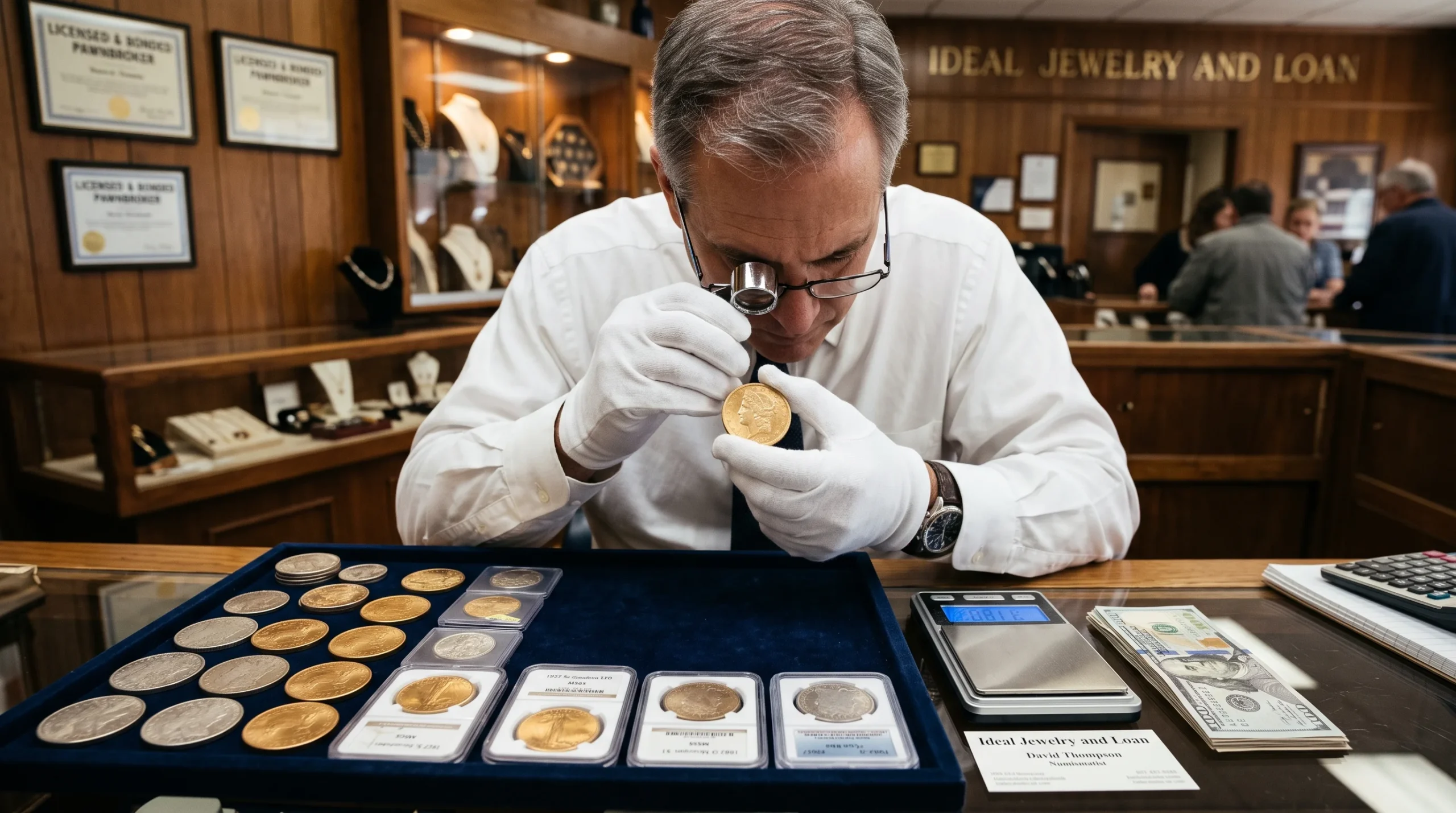
Readers in Brockton and Southeastern Massachusetts who want a local appraisal can consider Ideal Jewelry and Loan, which has evaluated silver coins, jewelry, and bullion for the community since 1955. The shop is located at 242 Main St., Brockton, MA 02301, and offers free testing for coin and bullion items, checking prices against market values daily. It serves Brockton along with nearby Stoughton, Quincy, Easton, and West Bridgewater.
As with any appraisal, this is offered as local context rather than a recommendation over other qualified appraisers. Ask to see the day’s spot silver price and how any offer was calculated before making a decision.
Frequently Asked Questions
What is the current price of silver per ounce?
Silver was trading in the range of $56 to $61 per troy ounce in early August 2026, according to Trading Economics, after reaching a nominal all-time high of $121.67 per ounce on January 29, 2026, according to APMEX.
How do I know if my coin is real silver?
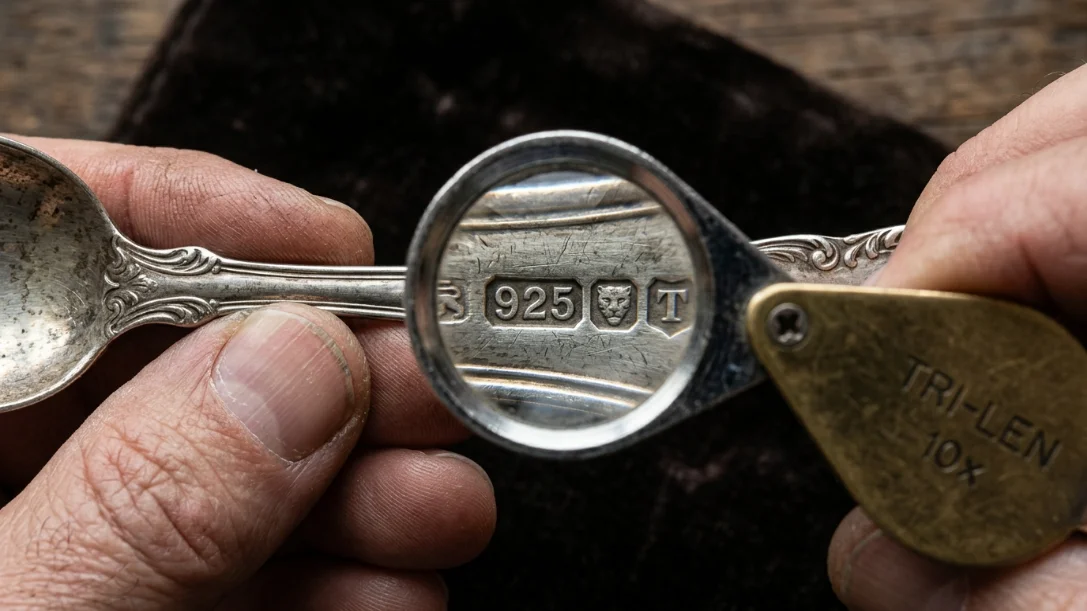
Appraisers typically use a combination of weight verification, acid or electronic purity testing, and magnet testing, since silver is non-magnetic, to confirm authenticity before making an offer.
Why did silver pass $100 an ounce in 2026?
A combination of tightening mine supply, Chinese export controls on silver announced in late 2025, and strong industrial and investment demand drove silver to a historic nominal high in January 2026, according to CNBC and market analysts.
Are old silver coins worth more than new ones?
Not automatically. Value depends on silver content, condition, and collector demand rather than age alone, though many older U.S. coins do contain higher silver purity than modern coinage, which can increase their melt value.
Can I pawn silver coins instead of selling them?
Yes. A pawn loan uses silver coins as collateral, giving you cash now while preserving your right to repay the loan and reclaim the coins, which is useful if you are not certain you want to sell permanently.
What is the gold-to-silver ratio and why does it matter?
The gold-to-silver ratio compares how many ounces of silver it takes to equal the value of one ounce of gold. It stood near 71 in early August 2026, according to USAGold market data, which some analysts use as a signal of whether silver is over- or under-valued relative to gold at that moment.